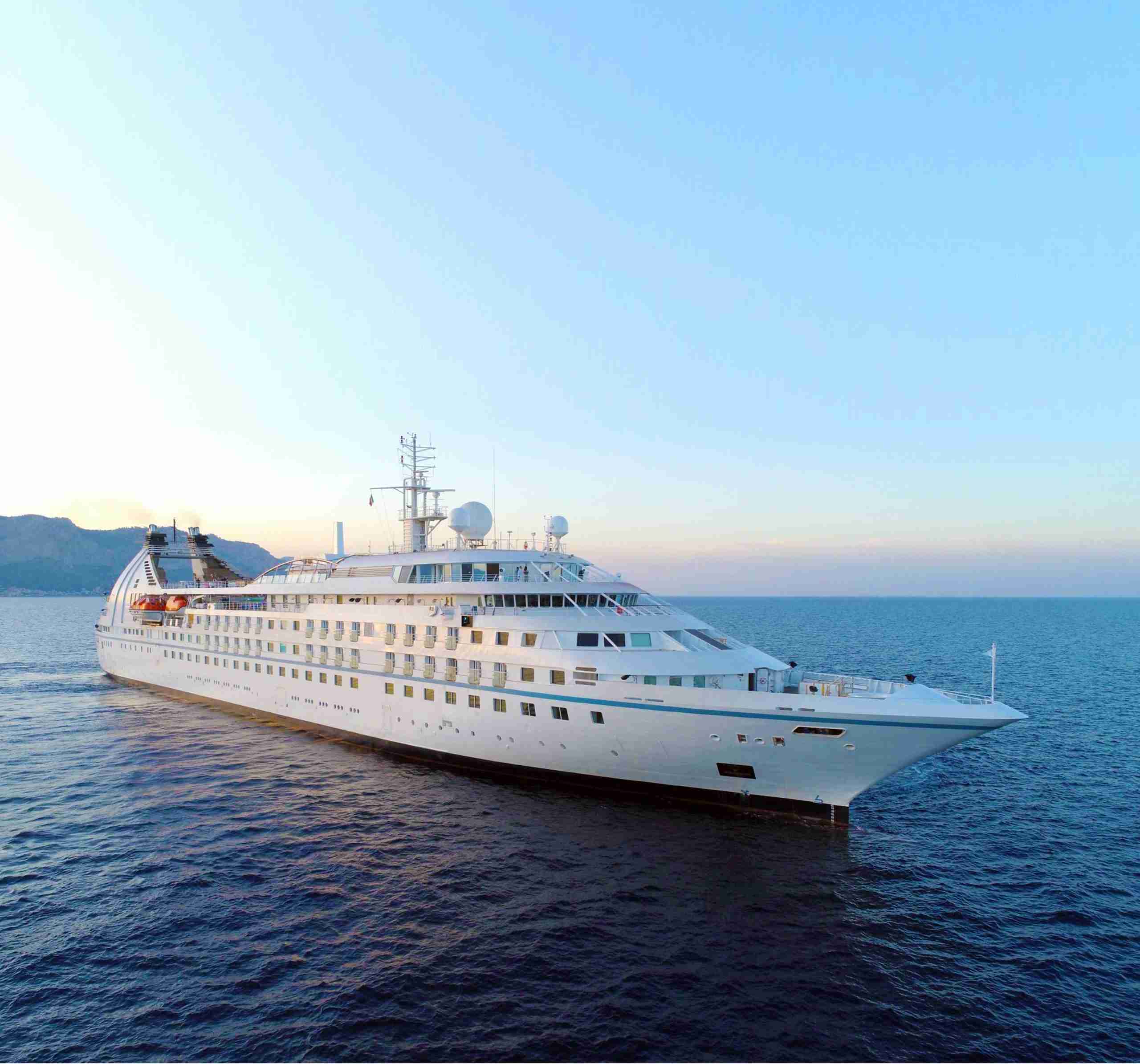
The cruise industry has experienced a remarkable resurgence since the pandemic. Passenger numbers are expected to reach 37.7 million in 2025, surpassing pre-COVID levels, according to Cruise Lines International Association (CLIA). This surge is reflected in the increasing popularity of incentive cruising, where companies reward top-performing employees or teams with a cruise vacation.
As for destinations, a recent study by the Incentive Research Foundation found the Caribbean and the Mediterranean are particularly favoured.
Planning an effective cruise incentive program takes time and teamwork. Assessing a client’s priorities is the first step.
Laura Tucker has been managing cruise incentive reward programs for more than 15 years at Wynford, a Toronto-based corporate event production and management company. She is mindful of her client’s core values when building a program. For many, she looks for strong environmental programs and itineraries that work to reduce the impact of sailing.
“Shorter total sailing distances resulting in less fuel consumption are part of the selection process,” she notes.
Accessibility also plays a role. Tucker targets departure ports with direct air connections from major cities, such as Miami, Tampa, San Juan, Athens and Rome. Ports of call are chosen based on cultural richness, safety and the ease with which attendees can explore independently.
When accommodating group dynamics, ship size and onboard amenities are crucial.
“Whether it’s a small intimate dining room for a celebration meal, a fully equipped theatre for business presentations or an expansive pool deck for a themed party—bringing people together will always be a focus,” she says.
The planning process involves careful coordination between the cruise line and the client. Tucker collaborates with clients to select appropriate ships and ports, then curates itineraries that integrate business meetings, recognition ceremonies, teambuilding exercises and even charitable initiatives at destinations.
Budget management is another key factor. Unlike hotels, cruise lines often offer bundled packages that streamline expenses. Windstar Cruises’ All-In package for group bookings and wholesale charters includes Wi-Fi, gratuities, food and alcohol, providing exceptional value and eliminating unexpected charges.
“We started this pricing so they don’t feel like they’re being nickeled and dimed,” says Amy Conover, director of charter sales at Windstar Cruises.
Cost savings can be found in onboard resources offered by some cruise lines, such as floral and photography departments. This allows planners to create customized experiences without relying on third-party vendors, often at competitive prices.
Windstar Cruises enhances the incentive experience by offering customized events, such as culinary experiences through its partnership with the James Beard Foundation. These value- adds elevate the overall event, aligning with clients’ branding and goals.
An optimal time frame is also of consideration. The shorter, five-night sailings are big sellers. “Companies tend not to want their top performers out of the office for an extended period of time,” explains Conover.


Sponsored by

